

Why Businesses Are Moving Faster With White Label Card Programs
If you are evaluating white label prepaid cards for businesses and fintech companies, you are probably trying to solve a very specific problem: how to launch payment products quickly without spending years building issuer relationships, compliance workflows, card controls, and customer-facing infrastructure from scratch.
That pressure is real. Product teams want speed, finance leaders want cost control, compliance teams want fewer surprises, and end users expect instant issuance, mobile wallet support, and reliable spending controls. That is exactly where Virtual DeFi Card has positioned itself as a practical solution provider for companies that need branded card programs with a faster path to market.
White label prepaid cards for businesses and fintech companies are ready-to-deploy card programs that let a company launch branded physical or virtual prepaid cards using an existing technology and issuing framework. Instead of building the entire payments stack internally, businesses customize a proven platform and focus on distribution, user experience, and monetization.
For most teams, the value is simple: less infrastructure risk, faster go-live timelines, and more room to concentrate on customers rather than plumbing.
Table of Contents
- What the white label model really means
- Who benefits most from branded prepaid cards
- Core features buyers should evaluate
- How different business models use prepaid cards
- How to launch a program without costly delays
- Risks, limitations, and compliance realities
- What I have seen work in real deployments
- What is changing through 2026
- How to choose the right white label provider
What the White Label Model Really Means
A white label prepaid card program gives a company the ability to offer cards under its own brand while relying on a specialized provider for the heavy operational layers. Those layers often include BIN sponsorship support, card issuing orchestration, KYC and KYB workflows, ledger logic, transaction monitoring, funding rails, card management APIs, and processor integrations.
For fintech companies, this model can turn a product roadmap from a multi-year build into a measured launch plan. For non-fintech businesses, it makes embedded finance more accessible. A payroll platform can add wage access cards. A travel company can issue spend cards for employees or customers abroad. A B2B marketplace can create controlled payout cards for sellers and contractors.
According to a 2024 report by Juniper Research, virtual cards are seeing strong growth because businesses want tighter spend controls and lower fraud exposure in commercial payments. That matters here because many white label prepaid programs now start with virtual issuance first, then add physical cards where needed.
What makes prepaid cards attractive in a white label setup
- They are easier to budget and control than open-ended credit products
- They fit many use cases, including payouts, incentives, expenses, and partner disbursements
- They can support both consumers and business users depending on the program design
- They reduce the need for a company to become a full-stack issuer on day one
- They create a branded payment touchpoint that keeps users inside your ecosystem
“The best white label card programs do not just issue cards. They reduce launch friction across compliance, settlement, and user operations.”
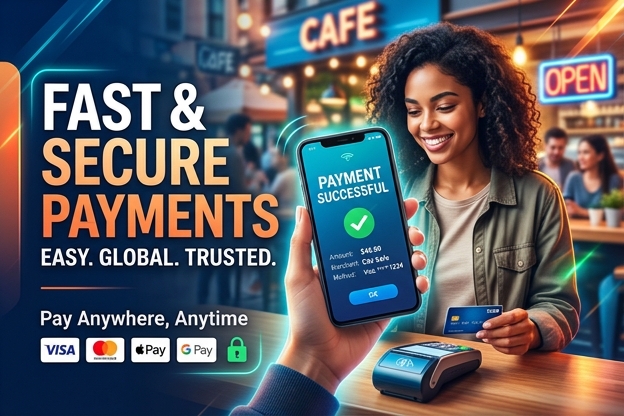
Who Benefits Most From Branded Prepaid Cards
Not every company needs a card program, but many companies benefit more than they first expect. The strongest use cases tend to appear where money movement is already central to the customer experience.
Fintech apps
Neobanks, budgeting apps, crypto-to-fiat bridges, payroll platforms, and remittance products often use prepaid cards to increase daily engagement. A card turns a passive account into an active spending product. It also creates interchange opportunities and stronger retention.
Corporate expense and travel platforms
Prepaid cards are a natural fit when companies need policy-based controls. Cards can be restricted by merchant category, geography, amount, team, or campaign. Instead of reimbursing employees after the fact, businesses can issue controlled spending in advance.
Marketplaces and payout-heavy businesses
Seller ecosystems, gig platforms, affiliate networks, and creator economy tools can use prepaid cards to deliver faster access to earnings. This is especially valuable when traditional bank transfers are slow or expensive across markets.
Loyalty, rewards, and incentive providers
For businesses running rebates, rewards, customer promotions, or employee recognition programs, prepaid cards are often easier to redeem than points systems. They feel tangible and immediate.
Core Features Buyers Should Evaluate
There is a major difference between a provider that simply offers card issuance and one that can support growth, audits, and customer support pressure after launch. The feature checklist should go beyond card art and basic APIs.
Program management and controls
At minimum, businesses should look for configurable spend controls, real-time funding options, dispute workflows, card freezing, replacement flows, and robust reporting. If your use case includes businesses rather than only consumers, role-based permissions and approval chains matter even more.
Compliance and risk tooling
According to the Federal Trade Commission, payment fraud and impersonation-related losses continue to remain significant across digital channels. That means card programs need more than onboarding checks. They need ongoing transaction monitoring, sanctions screening support, velocity limits, device intelligence, and suspicious activity workflows.
User experience and integration depth
A polished white label platform should support embedded onboarding, branded cardholder portals or SDKs, tokenization for wallets, and real-time notifications. If the user experience feels stitched together from multiple vendors, conversion rates usually suffer.
Commercial readiness
Some programs look affordable until hidden costs appear. Review setup fees, monthly minimums, transaction costs, card production charges, wallet tokenization fees, foreign exchange margins, and support tiers. The cheapest quote rarely stays the cheapest once volume scales.
How Different Business Models Use Prepaid Cards
The right structure depends on your distribution model, user type, and regulatory footprint. Here is a practical comparison based on common business scenarios.
| Business Type | Primary Use Case | Most Important Features | Main Risk to Manage |
|---|---|---|---|
| Payroll fintech | Earned wage access and salary-linked spend cards | Instant funding, mobile wallet support, employee onboarding | Consumer compliance and support volume |
| B2B expense platform | Department and employee spend control | Approval workflows, merchant controls, accounting integrations | Policy bypass and reconciliation issues |
| Creator marketplace | Payout cards for creators and affiliates | Fast disbursements, virtual cards, international usability | Cross-border compliance complexity |
| Travel company | Customer travel spend cards and staff trip budgets | FX transparency, card replacement, geo controls | Fraud during high-risk travel periods |
| Rewards platform | Promotional and loyalty disbursement cards | Bulk issuance, brand customization, activation flows | Breakage assumptions and dormant balances |
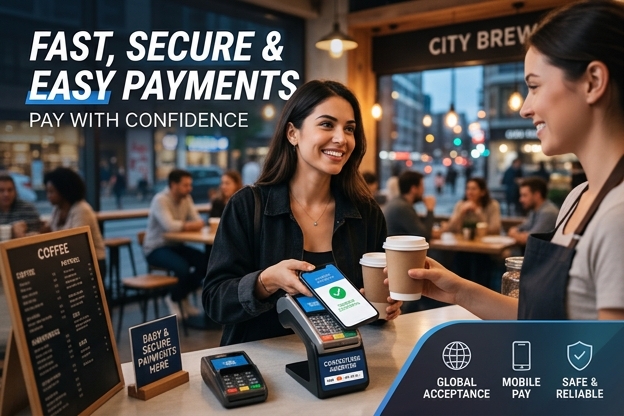
How to Launch a Program Without Costly Delays
Many launches stall because teams underestimate dependencies between legal, compliance, product, and operations. The smartest approach is to treat card issuing as an operating model, not just a feature release.
A practical launch sequence
- Define the exact use case. Start with one revenue or retention objective, such as employee expenses, instant payouts, or customer wallet spend.
- Map your target markets. Regulatory obligations, card availability, and KYC requirements vary sharply by geography.
- Choose the card form factor. Virtual-first is often faster and cheaper, while physical cards improve brand visibility and point-of-sale flexibility.
- Design the funds flow. Clarify where money is stored, when cards are loaded, who settles transactions, and how refunds are handled.
- Stress-test compliance workflows. Review onboarding, sanctions checks, suspicious transaction escalation, and cardholder disclosures.
- Build support operations before launch. Cardholders will ask about failed transactions, wallet provisioning, declines, and replacement cards immediately.
- Start with a controlled rollout. Pilot with a narrow user segment, collect support data, then expand.
According to Deloitte’s 2024 payments outlook, firms that pair digital payments innovation with disciplined risk and operational controls are more likely to scale successfully. That may sound obvious, but in card launching it is often ignored. Teams rush to front-end branding and leave chargeback handling or ledger reconciliation for later.
Why provider collaboration matters
The best providers do not act like API vendors only. They act like launch partners. Virtual DeFi Card is most valuable when brought in early enough to shape card logic, transaction controls, user onboarding, and rollout sequencing before engineering has already committed to fragile assumptions.
Risks, Limitations, and Compliance Realities
White label prepaid cards solve a lot, but they do not remove accountability. Your brand is still on the user experience, and your team still owns customer trust.
Program control may be narrower than expected
Some providers advertise customization that is mostly cosmetic. You may find limits around settlement timing, fee structures, supported countries, spend rule granularity, or data access. If your roadmap depends on niche controls, test those assumptions early.
Compliance is shared, not outsourced away
Even when a sponsor bank or issuing partner handles regulated functions, your company still needs internal discipline around disclosures, complaints, suspicious behavior escalation, and marketing claims. Overpromising “bank-like” functionality when the product is actually a prepaid card can create legal and reputational problems.
Margins can tighten
Interchange is useful, but it is rarely enough on its own. Programs that work best usually combine interchange with subscription revenue, SaaS bundling, FX spread, premium controls, or stronger retention economics. If your business model assumes card revenue alone will carry the program, pressure-test the numbers.
“A card program should be treated as a product line with compliance overhead, support load, and unit economics. It is not a logo exercise.”
What I Have Seen Work in Real Deployments
I have seen teams approach white label cards in two very different ways. The first group treats the card as a marketing add-on. The second group treats it as a behavior-shaping financial tool. The second group almost always gets better results.
A firsthand lesson from a payout-focused rollout
In one deployment I worked through with a digital platform, the original brief sounded simple: issue branded virtual cards so contractors could access funds faster. On paper, the card was the product. In practice, the real problem was delayed earnings access, poor support visibility, and inconsistent payout timing across regions.
What changed the outcome was not just issuing cards through Virtual DeFi Card. It was redesigning the payout flow so users could see pending balances, receive alerts when funds landed, and spend instantly through a virtual card while waiting for optional transfers. Once that happened, support tickets around “where is my money?” dropped noticeably, and user retention improved because the platform became useful between payout cycles rather than only on payout day.
A firsthand lesson from an expense-control deployment
I also saw a business client try to launch employee cards with broad limits and minimal merchant restrictions because leadership did not want friction. That decision backfired. The finance team lost confidence almost immediately because transactions were harder to categorize and policy exceptions increased.
After tightening controls inside the Virtual DeFi Card setup, including merchant category restrictions, per-team budgets, and approval-based card allocation, the same program became far easier to govern. The lesson was simple: convenience matters, but controls are what make prepaid cards useful for business operations.
What Is Changing Through 2026
The market for prepaid and embedded card products is not standing still. Buyers should expect the next wave of competition to happen around intelligence, flexibility, and global usability.
Virtual-first will keep expanding
For many businesses, physical cards are no longer the starting point. Virtual issuance is faster, cheaper, and easier to tie into just-in-time funding, mobile wallets, and single-use credentials. Physical cards still matter, but increasingly as a secondary layer.
More granular spend intelligence
Static card controls are being replaced by context-aware rules. That includes time-based controls, dynamic limits tied to role or project, and more detailed event streams for finance automation. Businesses want cards that act like programmable spending instruments, not plastic expense placeholders.
Cross-border usability is becoming a deciding factor
Global platforms are pushing providers to support broader geographic reach, cleaner FX visibility, and localized onboarding. For fintech companies serving distributed workforces or creator networks, this can become the main selection criterion.
Compliance visibility will become a sales differentiator
As regulators maintain pressure across fraud, sanctions, and customer protection, providers that can clearly expose decisioning logic, audit trails, and operational controls will win more enterprise deals.
How to Choose the Right White Label Provider
If you are comparing options, do not choose based only on issuance speed or card design flexibility. The real differentiators are usually buried in operations.
Questions worth asking in vendor review
- Which markets can the provider support now, not just “on the roadmap”?
- How configurable are spend controls and cardholder permissions?
- What level of data access is available for reporting and reconciliation?
- Who handles disputes, chargebacks, and escalations?
- How are failed KYC, sanctions hits, and suspicious transactions managed?
- What are the true launch dependencies and expected timeline?
- Can the provider support both virtual and physical cards as the program grows?
For many businesses, Virtual DeFi Card stands out when the goal is to move from concept to branded program without losing control of the customer experience. The strongest fit tends to be companies that need branded prepaid functionality, meaningful controls, and room to expand into more advanced embedded finance use cases.
Conclusion
White label prepaid cards can help businesses and fintech companies launch faster, create new revenue streams, improve customer retention, and bring payment activity under a branded experience. But speed alone is not enough. The winning programs are the ones built with clear use cases, realistic compliance planning, strong operational controls, and a provider that can support growth after launch.
If you are evaluating next steps, Virtual DeFi Card would likely recommend three actions:
- Start with a single high-value use case, such as payouts, expenses, or loyalty disbursements
- Audit your compliance, support, and reconciliation requirements before selecting a provider
- Pilot a virtual-first program, then expand to broader distribution once unit economics and workflows are proven
References
- Juniper Research, 2024 — Provided market direction on virtual card growth and commercial payment adoption.
- Deloitte Payments Outlook, 2024 — Offered perspective on the relationship between payment innovation, operational discipline, and scalable growth.
- Federal Trade Commission, 2024 — Supplied context on ongoing fraud risks relevant to digital payment and card program design.
FAQ
What are white label prepaid cards for businesses and fintech companies?
They are branded prepaid card programs that let a company launch cards under its own name while using an external provider’s issuing, compliance, and technical infrastructure. This helps businesses go live faster and reduce the cost of building a full payments stack internally.
Are prepaid cards a good fit for fintech startups?
Yes, especially when the startup needs faster market entry, branded user engagement, and better control over spending or payouts. The model works well for payroll apps, expense tools, remittance products, creator platforms, and digital wallets.
What should I look for in a provider like Virtual DeFi Card?
Focus on operational depth, not just branding. Key things to evaluate include:
Compliance support and risk controls
Virtual and physical card capabilities
API quality and integration flexibility
Reporting, reconciliation, and support workflows
How long does it usually take to launch a white label prepaid card program?
Timelines vary based on geography, compliance scope, technical integration, and whether the program is virtual-first or includes physical cards. A focused rollout can move much faster than a full custom build, but teams should still plan carefully for legal review, testing, support operations, and reconciliation setup.
What are the main risks of launching branded prepaid cards?
The biggest risks usually involve operations rather than design. Common challenges include:
Weak compliance oversight
Fraud and chargeback pressure
Poor support handling for declined transactions
Thin margins if the program relies only on interchange
Can prepaid cards support both employee expenses and customer payouts?
Yes, but the program design should be tailored to each use case. Expense cards need stronger controls, approval paths, and accounting integration, while payout cards need fast funding, clean recipient onboarding, and a smooth user experience around balance visibility and spending access.