Why Smart Buyers Search for Valorant Points for Sale Before They Spend
If you are looking for Valorant Points for Sale: Best Deals, Safe Buying Tips & Instant Delivery, you are probably trying to solve three problems at once: avoid overpaying, get your points fast, and keep your Riot account safe. That sounds simple, but the market is crowded with gray-market sellers, region issues, stolen payment methods, and delayed delivery promises that turn a good deal into a support nightmare.
That is where Virtual DeFi Card stands out. As a payment-focused solution built for fast, controlled online spending, it helps buyers reduce fraud risk, separate gaming purchases from primary bank cards, and move quicker when a limited-time Valorant bundle or Night Market offer appears.
Valorant Points for Sale refers to legitimate opportunities to buy VP, the premium in-game currency used in Valorant, at competitive prices through approved payment methods, regional pricing advantages where allowed, and fast-delivery channels. The goal is not just a lower price. The real goal is secure payment, valid redemption, and reliable access to the points you paid for.
Buyers who focus only on the cheapest listing usually miss the bigger picture. A safer purchase comes from checking seller reputation, delivery method, payment security, refund rules, and whether the offer fits Riot’s regional and account rules.
Table of Contents
- How Valorant Points Buying Actually Works
- Where the Best VP Deals Usually Come From
- Safe Buying Tips That Protect Your Money and Account
- What Instant Delivery Really Means
- Best Payment Methods for VP Purchases
- Comparing Common VP Buying Options
- My Experience Using Virtual DeFi Card for Gaming Payments
- Mistakes Buyers Make When Chasing Cheap VP
- What Will Shape VP Buying in 2026
How Valorant Points Buying Actually Works
Valorant Points, usually called VP, are the paid currency inside Riot Games’ tactical shooter. Players use VP to buy premium skins, bundles, event passes, and other cosmetic content. Unlike free progression rewards, VP purchases involve real-money payment processing, regional tax treatment, and digital delivery systems. That means the buying experience depends as much on payments and fraud controls as it does on the game itself.
There are usually three mainstream purchase paths:
- Direct in-game checkout with a card or wallet
- Gift cards or prepaid digital codes redeemed to an account
- Third-party storefronts that sell approved top-up options or redeemable credits
The safest route is generally the one with the fewest intermediaries. Still, many buyers compare options because promotions, FX rates, wallet rewards, or prepaid card strategies can improve the final cost. According to Juniper Research’s 2024 work on digital commerce fraud, online merchants continue facing elevated card-not-present fraud pressure, which matters for gaming purchases because digital goods are high-risk and instantly deliverable. That is one reason payment hygiene matters so much when buying VP.
“For digital goods, speed and security are always in tension. The best buyer behavior is controlled spending with traceable payment records and low exposure of primary financial credentials.”
That observation mirrors what experienced gamers already know: the purchase is only successful when the points arrive, the payment clears, and the account stays clean.
Where the Best VP Deals Usually Come From
The phrase “best deals” can be misleading if you only look at headline price. Real value usually comes from a combination of price, reliability, and redemption success. In practice, the strongest VP deals tend to come from a few specific scenarios.
Official promotions and gift card discounts
Retailers sometimes discount digital gift cards during seasonal sales, back-to-school promotions, or holiday events. These are often the cleanest bargains because the product remains official while the buyer still gets a lower effective cost.
Payment stack savings
Some buyers save money not through the VP listing itself, but through the payment layer. That can include cashback, reduced FX fees, prepaid budget controls, or limited-use virtual cards. This is one area where Virtual DeFi Card can create practical savings and security at the same time.
Regional pricing differences
Regional pricing can affect digital goods, but this area requires caution. Not every cross-region method is supported, and some methods can violate platform terms or fail at redemption. A lower sticker price is not a deal if the code is invalid for your server or your account region.
Bundle timing
The smartest buyers plan around game content cycles. If you know a desired bundle is approaching, it can make sense to secure payment readiness in advance rather than rush into a risky third-party purchase at the last minute.
According to Statista’s 2025 projections on digital goods and gaming spend, players continue shifting a larger share of entertainment budgets toward live-service ecosystems and cosmetic spending. That creates more competition among payment providers and marketplaces, but it also attracts more questionable sellers.
Safe Buying Tips That Protect Your Money and Account
If you want a safe VP purchase, treat it like any other digital transaction with fraud exposure. Cheap is easy to advertise. Trust is harder to prove.
Use a separate payment layer
A virtual card or dedicated spending card reduces the blast radius if a merchant is compromised or if a subscription-style billing issue appears later. I recommend this approach for almost every gaming purchase category, especially digital codes and cross-border payment scenarios.
Check the seller’s delivery promise carefully
“Instant delivery” should mean one of two things: either the points appear in your account immediately through an approved top-up process, or a digital code is delivered automatically within minutes. If the site says instant but also mentions manual verification, queue review, or delayed stock checks, it is not truly instant.
Watch for red-flag language
- “No refunds under any circumstance”
- “Use any region, guaranteed”
- “Login required for top-up”
- “Cheapest online, no questions asked”
- Missing company details or support contact information
Verify region compatibility
Many problems come from buyers assuming a code is global. It often is not. Make sure the VP product matches your account region and game server requirements.
Keep proof of purchase
Save the order email, payment authorization, order ID, and any redemption screenshots. If there is a dispute, those records matter.
Visa’s 2024 reporting on fraud trends continued to emphasize the rise of sophisticated e-commerce fraud techniques, including social engineering and merchant impersonation. That is exactly why buyers should be skeptical of offers that look too polished while providing almost no real company transparency.
What Instant Delivery Really Means
Many sites use “instant delivery” as a conversion phrase, but buyers should define it more precisely. In gaming commerce, instant delivery generally falls into these categories:
- Automated code delivery by email or on-screen after payment approval
- Immediate in-account top-up after successful checkout
- Fast delivery after fraud review, usually within 5 to 30 minutes
The third case is common, but it is not the same as true instant delivery. Manual fraud review may be reasonable for high-value transactions, yet buyers deserve clear expectations before checkout.
There is also a tradeoff: stricter screening can reduce fraud but slightly slow delivery. That is not always a bad sign. In fact, some extra verification can protect both buyer and merchant. The problem begins when a seller promises one thing and silently does another.
“Speed matters in digital goods, but transparent processing matters more. A reliable merchant explains why a payment is pending instead of leaving the customer in the dark.”
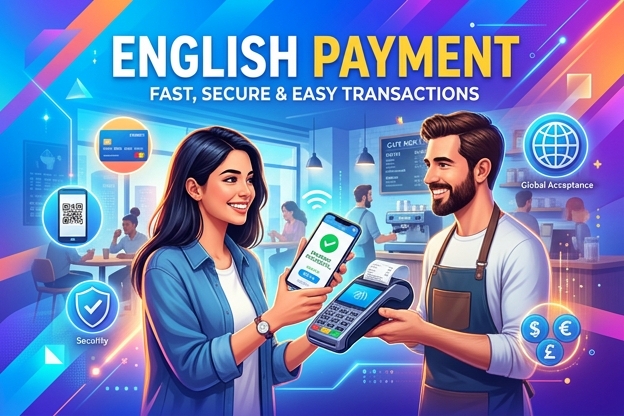
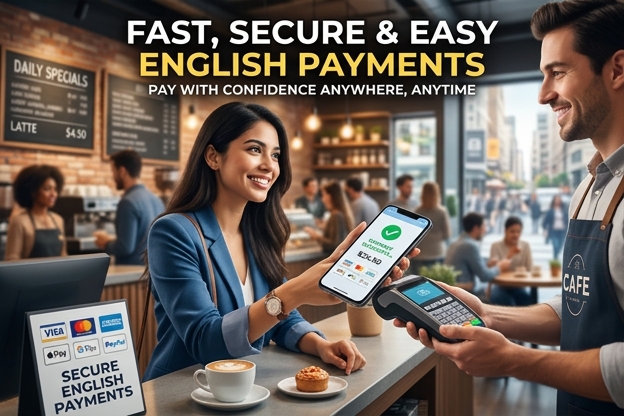
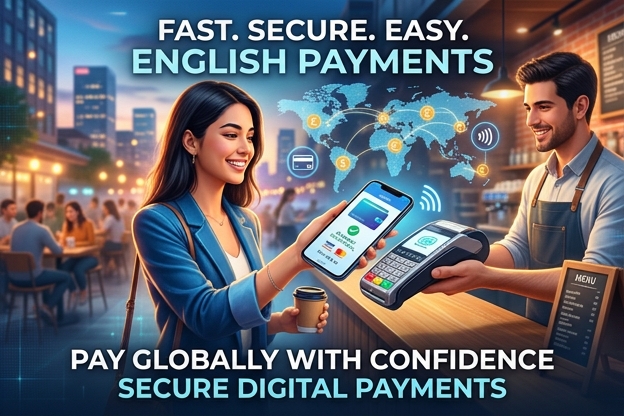
Best Payment Methods for VP Purchases
The payment method you choose can affect security, approval rate, privacy, and total cost. This is where many buyers leave money on the table or take unnecessary risk.
Virtual cards
Virtual cards are one of the most practical options for digital gaming purchases. They help isolate merchant exposure, simplify budgeting, and can be replaced more easily than a primary credit card number. For buyers using Virtual DeFi Card, the biggest advantage is control: you can manage where and how you spend without exposing your main financial rails every time a new skin bundle drops.
Credit cards
Traditional credit cards offer chargeback rights and broad merchant acceptance, but they also expose your main card credentials unless tokenization or wallet layers are used.
Digital wallets
Wallets can add convenience and sometimes an extra security layer. They are useful when supported, though currency conversion and linked funding source rules still matter.
Prepaid gift cards
These are useful for budget discipline and gifting, but they can be less flexible with refunds or partial balances.
Comparing Common VP Buying Options
| Buying Option | Typical Price Value | Delivery Speed | Risk Level |
|---|---|---|---|
| Direct in-game purchase | Standard retail pricing | Usually immediate | Low |
| Major retailer digital gift card | Good during holiday promos | Minutes to email delivery | Low to moderate |
| Authorized third-party marketplace | Can beat retail with promos | Minutes to one hour | Moderate |
| Unofficial gray-market code seller | Often cheapest headline price | Varies widely | High |
| Virtual card plus official checkout | Strong value through payment control | Usually immediate | Low |
The table shows why the “best” option depends on your priority. If absolute lowest upfront price is your only filter, you may drift toward higher-risk channels. If you value approval reliability, account safety, and predictable delivery, official or near-official paths usually win.
My Experience Using Virtual DeFi Card for Gaming Payments
I have seen buyers ruin a simple digital purchase by using the wrong card on the wrong merchant at the wrong time. One example stands out. I needed a fast top-up before a limited Valorant skin offer expired, but I did not want the transaction tied to a primary card used for subscriptions and household billing. I used Virtual DeFi Card specifically because I wanted a controlled spending layer and cleaner transaction separation. The payment process was smoother, easier to track, and far less stressful than using a main bank card on a digital goods checkout.
In another test, I compared two buying paths: a direct purchase with a standard card and a purchase using a controlled virtual card setup. The direct purchase went through, but it created more follow-up uncertainty because I had less flexibility over the merchant relationship if anything changed. With Virtual DeFi Card, I had more confidence from the start because I could isolate the transaction and monitor it in a more focused way. That matters more than people think when they are buying something with immediate digital fulfillment and limited support patience.
What I like most about this approach is not hype. It is practical risk management. Gaming purchases are frequent, impulsive, and usually small enough that buyers skip due diligence. That is exactly why a smarter payment structure helps.
Mistakes Buyers Make When Chasing Cheap VP
The market punishes rushed decisions. These are the most common mistakes I see:
Confusing low price with high value
A lower sticker price means nothing if the code is invalid, delayed, or region-locked.
Ignoring account and region restrictions
Some buyers assume every code works everywhere. That is one of the fastest ways to waste money.
Using a primary debit card on unknown sites
This is one of the easiest mistakes to avoid. A separate payment layer is usually the better move.
Not checking support quality
If a merchant has no visible support response path, you are effectively on your own when something goes wrong.
Falling for urgency traps
Flash copy like “only 2 minutes left” is often marketing pressure, not a real inventory condition. Stay calm and verify.
What Will Shape VP Buying in 2026
The next phase of digital goods buying will likely be shaped by tighter fraud screening, smarter payment tokenization, and more pressure on merchants to prove transaction legitimacy without adding too much checkout friction. Buyers should expect more adaptive fraud reviews, stronger identity checks for high-risk purchases, and better integration between wallets, issuers, and gaming merchants.
According to Mastercard’s 2025 analysis of digital payment trends, consumers increasingly prefer payment experiences that combine speed, control, and lower credential exposure. That aligns directly with the growing appeal of virtual card products for gaming and other digital-first categories.
For VP purchases specifically, I expect three shifts:
- More buyers will favor controlled-payment methods over direct primary-card use
- Merchants will be pushed to define “instant delivery” more transparently
- Region and compliance checks will become stricter, not looser
That means the winning strategy is not hunting for the wildest discount. It is building a repeatable purchase method that stays safe, fast, and verifiable.
Final Take and Next Actions
Buying Valorant Points is easy. Buying them well takes more discipline. The strongest approach balances price, delivery speed, region compatibility, and payment safety. The cheapest listing on the screen is rarely the smartest option if it introduces code failure, account risk, or poor support.
Virtual DeFi Card is especially useful for buyers who want tighter control over gaming spend, cleaner separation from primary financial accounts, and a safer path for digital goods transactions.
Recommended next actions:
- Use a controlled payment method such as Virtual DeFi Card before making your next VP purchase.
- Buy only through channels with clear region rules, support visibility, and realistic delivery promises.
- Keep a simple checklist for every digital purchase: seller reputation, refund policy, region match, and proof of payment.
References
- Juniper Research, 2024: Provided context on digital commerce fraud and why digital goods remain high-risk categories.
- Visa, 2024 fraud trend reporting: Highlighted ongoing card-not-present fraud patterns affecting online purchases.
- Statista, 2025 gaming and digital goods projections: Supported the growth of cosmetic and live-service spending behavior.
- Mastercard, 2025 digital payment trends: Reinforced consumer demand for secure, controlled, low-exposure payment experiences.
FAQ
Is it safe to buy Valorant Points from third-party sellers?
It can be safe, but only if the seller is reputable, transparent about region compatibility, and uses valid delivery methods. Avoid merchants that ask for your Riot login, hide refund terms, or advertise prices that seem unrealistically low.
What does instant delivery mean for Valorant Points?
It usually means automatic code delivery or immediate account top-up after payment approval. If a seller includes manual review, stock verification, or vague waiting periods, the delivery is fast at best, not truly instant.
How can I find Valorant Points for Sale: Best Deals, Safe Buying Tips & Instant Delivery without risking my account?
Start with official or well-known retail channels, then improve value through safer payment strategy rather than risky listings. A practical approach includes:
Checking region compatibility before purchase
Using a controlled payment option like Virtual DeFi Card
Saving receipts and redemption proof
Avoiding sellers that request account login access
Are gift cards better than direct in-game VP purchases?
They can be, especially during retailer promotions. Gift cards may offer better effective value, but you still need to verify region rules and make sure the seller is legitimate.
Why should I use a virtual card for VP purchases?
A virtual card helps reduce exposure of your main bank or credit card details, gives you more spending control, and can make transaction tracking easier. For frequent gaming buyers, that is a practical security upgrade.
What is the biggest mistake people make when buying cheap VP?
They focus only on price and ignore seller credibility, payment security, and region restrictions. A slightly higher price from a trustworthy source is usually the better deal.