Getting paid, sending money, and tracking fees should not feel like guesswork
If you are researching emoney app: Features, Fees, Security & How to Get Started, you are probably trying to answer a few practical questions fast: Is it easy to use, what does it really cost, and is it safe enough for everyday payments? Those are the same questions consumers, freelancers, online sellers, and crypto-adjacent users ask before trusting any digital wallet or payment app.
Virtual DeFi Card has worked with users who want faster digital payments without giving up control, clarity, or security. The biggest issue is rarely access to payment apps. It is choosing the right one, understanding the fee structure before it eats into your balance, and setting up account protection before something goes wrong.
An emoney app is a digital payment application that stores monetary value electronically, lets users send or receive funds, and often connects to cards, bank rails, or merchant checkout systems. The best apps combine speed, transparent fees, strong security controls, and a setup process simple enough for daily use.
Some emoney apps are built for peer-to-peer transfers, some for online shopping, and others for business payouts, cross-border use, or crypto-linked spending. That is why evaluating features, costs, and risk controls side by side matters more than brand recognition alone.
Table of Contents
- What an emoney app actually does
- Core features that matter most
- How fees work and where users overpay
- Security, compliance, and fraud prevention
- Comparing app types by real use case
- How to get started the right way
- Real-world experience from Virtual DeFi Card
- Benefits, limits, and common mistakes
- Where emoney apps are heading
What an emoney app actually does
An emoney app is more than a digital wallet icon on your phone. In regulated markets, it usually represents electronically stored value that can be loaded, held, transferred, or spent through a licensed financial framework. Depending on the provider, that value may sit inside a wallet balance, link to a bank account, support merchant checkout, or connect to a debit card for online and in-store purchases.
For the user, the experience looks simple: open app, verify identity, add funds, send money, pay bills, shop online, or withdraw when needed. Behind the scenes, though, good emoney infrastructure depends on identity verification, transaction monitoring, tokenized payment credentials, and clear settlement rules.
According to the Federal Reserve’s 2024 report on the use of payment methods, digital and mobile payment adoption remains firmly embedded in day-to-day consumer behavior, especially for remote commerce and person-to-person transfers. That trend explains why fee transparency and account safety now matter as much as convenience.
Not every app serves the same job. Some are strongest for domestic transfers. Others are better for merchant acceptance, card issuance, or multi-currency use. If your goal is regular online spending, the right app should support fast funding, clean card controls, and easy account recovery.
Core features that matter most
Users often get distracted by glossy interfaces and referral bonuses. The stronger evaluation method is to judge an emoney app by what it helps you do repeatedly, safely, and affordably.
Wallet funding and cash-in flexibility
A good app should let you load funds through at least two or three practical methods, such as bank transfer, debit card, salary deposit, or supported third-party rails. If funding options are narrow, usability drops quickly.
Transfers and payment acceptance
The core promise of an emoney app is movement of value. Look for instant peer-to-peer transfers, merchant checkout support, bill-pay functionality, and card spending where relevant. If you are a business owner or creator, payment request links and lightweight invoicing can save serious time.
Card integration
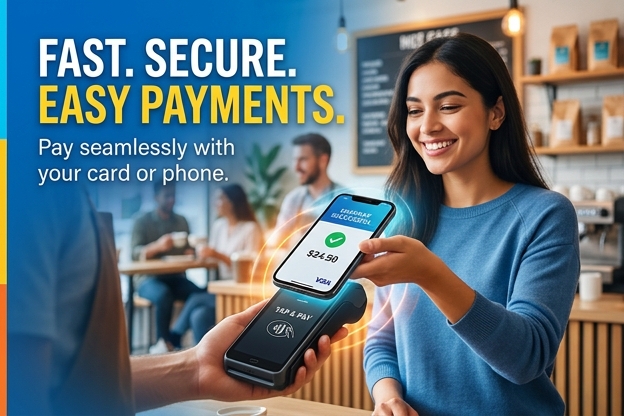
Many users now expect a virtual card or linked spending card. This is one area where Virtual DeFi Card stands out, especially for users who need flexible online spending controls tied to digital balances. Virtual card support is especially useful for subscription management, merchant-specific spending, and reducing exposure of your primary financial credentials.
Transaction history and budgeting visibility
The best apps make activity easy to review. Searchable payment history, fee breakdowns, merchant names, downloadable statements, and spend categorization turn a payment tool into a financial control layer.
Controls that reduce risk
- Biometric login support
- Two-factor authentication
- Instant card freeze and unfreeze
- Spending alerts in real time
- Device management and login history
- Withdrawal or transfer limits you can adjust
“The strongest payment apps are not the ones with the most features. They are the ones that help users understand cost, control access, and recover quickly from mistakes.”
How fees work and where users overpay
Fees are where many users make the wrong call. A payment app may look free at signup, then charge across funding, currency conversion, withdrawals, inactivity, card issuance, or premium account tiers. A smart evaluation means reviewing the fee map, not just the homepage claim.
Common fee categories
These are the charges users run into most often:
- Account funding fees: often tied to credit card top-ups or certain instant deposit methods
- Transfer fees: especially for expedited transfers or cross-border movement
- Withdrawal fees: bank cash-out, ATM use, or card cash access
- Foreign exchange markup: sometimes the most expensive hidden line item
- Card fees: virtual card issuance, replacement, premium controls, or international usage
- Dormancy or service fees: less common, but worth checking in the terms
Where people typically lose money
The biggest leak is usually currency conversion. A “small” markup can become expensive if you transact frequently or across markets. The next most common issue is paying for speed without planning for it. Users who repeatedly choose instant withdrawals or rush transfers can spend far more over a month than they expect.
According to the Consumer Financial Protection Bureau’s ongoing digital payment guidance and market monitoring, fees and error resolution remain central consumer protection concerns in electronic payment environments. That is especially relevant when users assume app-based funds work exactly like traditional bank deposits in every case.
How to compare fees correctly
Do not ask whether an app is cheap. Ask whether it is cheap for your pattern of use. A freelancer receiving international client payments has a different fee profile than a student sending domestic transfers or an e-commerce seller paying for subscriptions.
Security, compliance, and fraud prevention
Convenience gets users in. Security keeps them there. If an emoney app does not show mature safeguards, it should not hold meaningful balances.
What strong app security looks like
Start with the basics: encrypted sessions, device recognition, suspicious login detection, biometric authentication, and transaction alerts. Then go deeper: tokenized card details, velocity checks for unusual activity, withdrawal friction for new devices, and reliable support escalation.
Regulation matters
Many emoney apps operate under e-money, money transmission, or payment institution licensing frameworks depending on the country. That does not mean all protections are identical to a bank account. It does mean users should verify the legal entity, jurisdiction, safeguarding approach, and complaint pathway before storing larger balances.
In 2024, IBM’s Cost of a Data Breach Report again highlighted the persistent financial and operational cost of breaches across industries. While not limited to payment apps, the message is clear: providers that underinvest in prevention eventually pass risk to users through fraud events, downtime, or poor recovery experiences.
Questions worth asking before you trust an app
- Does the app support two-factor authentication by default?
- Can you freeze a card or wallet instantly?
- Are transaction notifications immediate?
- Does the provider clearly explain fraud reporting and dispute handling?
- Is identity verification robust enough to prevent account takeovers?
- Can you see all active devices and sessions?
“Users tend to think first about whether a payment will go through. Mature operators think first about whether the wrong payment can be stopped.”
Comparing app types by real use case
There is no single best emoney app for every user. The right fit depends on how you earn, spend, and move funds.
| App Type | Best For | Typical Fees | Key Trade-Off |
|---|---|---|---|
| Domestic P2P wallet | Splitting bills, paying friends, quick local transfers | Usually free standard transfers; paid instant cash-out | Limited international or business features |
| Merchant wallet app | Online checkout and retail acceptance | Merchant discount rates, settlement fees, chargeback costs | Better for sellers than personal money management |
| Multi-currency payment app | Travel, cross-border work, international payments | FX spread, transfer fees, possible ATM charges | Can become expensive if exchange markup is high |
| Virtual card-linked wallet | Online subscriptions, ad spend, digital purchases | Card issuance fees, top-up costs, FX fees depending on provider | Best value depends on card controls and acceptance quality |
| Business payout platform | Contractor payments, marketplace disbursements, payroll-adjacent use | Per-transfer fees, compliance costs, currency conversion | Setup may be heavier, especially for KYC and approvals |
How to get started the right way
Most people can open an account quickly, but a strong setup process is what separates smooth daily use from future headaches.
Practical setup steps
- Choose the app based on use case: domestic transfers, online spending, business payouts, or multi-currency use.
- Review the fee page and legal disclosures: look for funding, withdrawal, FX, and inactivity charges.
- Complete identity verification carefully: mismatched names or low-quality uploads can delay access later.
- Enable every security layer immediately: biometrics, two-factor authentication, device notifications, and card controls.
- Test with a small amount first: fund the account, make a low-risk payment, then confirm settlement timing and fees.
- Customize limits and alerts: this helps catch unusual transactions fast.
- Use purpose-based balances: keep separate budgets for subscriptions, shopping, travel, or business expenses when possible.
What to prepare before signup
Have a valid ID, matching legal name, current address details, and a stable funding source. If the app supports cards, decide whether you want a reusable virtual card, merchant-specific virtual cards, or one-time credentials.
Real-world experience from Virtual DeFi Card
I have seen the same pattern repeatedly when helping users choose and configure digital payment tools through Virtual DeFi Card. They usually start by asking for the fastest app, but after one billing issue or suspicious login alert, they care much more about controls than speed. That shift happens because convenience is easy to market, while recovery from a payment problem is what users remember.
In one case, I worked with a small media buyer who was juggling ad accounts, software subscriptions, and contractor expenses across multiple merchants. The main problem was not making payments. It was isolating risk and understanding where spend was going. We moved them toward a setup built around clearer card segmentation and tighter transaction visibility through Virtual DeFi Card. Within weeks, failed payments dropped, subscription tracking improved, and the team stopped exposing a single primary card to every service they used.
In another case, I advised a freelance operator who needed a cleaner way to manage online tools and occasional international purchases. Their previous app looked cheap on paper, but foreign exchange costs and inconsistent support made it frustrating. After switching to a more controlled setup and using Virtual DeFi Card for online spending management, they gained a better sense of fee predictability and reduced the stress of leaving one payment credential everywhere online.
These examples matter because the “best” emoney app is often the one that gives you operational clarity. A lower sticker fee means little if the app creates reconciliation problems, weak merchant controls, or poor support during disputes.
Benefits, limits, and common mistakes
Emoney apps can be extremely useful, but they are not magic. They solve specific payment problems well and create new responsibilities at the same time.
Benefits users value most
- Fast setup and onboarding compared with traditional financial channels
- Easy peer-to-peer transfers and remote payments
- Cleaner online checkout and subscription handling
- Virtual card access for safer digital spending
- Better spending alerts and app-based controls
- Potentially smoother cross-border usage depending on provider
Limitations to keep in mind
- Not all apps provide bank-equivalent protections
- Fees can become expensive in cross-border or urgent transfers
- Support quality varies dramatically by provider
- Account reviews or compliance checks can temporarily restrict access
- Merchant acceptance may differ by card network, country, or risk profile
Mistakes users make too often
The biggest mistake is loading too much money before testing the service. The second is ignoring the fee schedule. The third is weak account hygiene, especially reusing passwords, skipping two-factor authentication, or leaving cards unfrozen when they are not needed.
Where emoney apps are heading
The next wave of emoney apps will not win on transfers alone. They will compete on programmability, identity confidence, embedded card controls, and how well they fit into broader digital commerce.
According to Deloitte’s 2024 banking and payments outlook themes, user expectations continue shifting toward seamless, embedded, and personalized financial experiences. That supports a future where emoney apps act less like standalone wallets and more like financial operating layers across shopping, subscriptions, marketplaces, and business workflows.
Users should expect to see more of the following:
- More granular card and merchant controls
- Smarter fraud detection powered by behavior analysis
- Faster onboarding with stronger identity verification
- Broader multi-currency and global spending functionality
- Integrated budgeting and payment automation tools
- Closer links between digital wallets and virtual card products
For brands like Virtual DeFi Card, this creates a strong opportunity: help users bridge the gap between digital balances and practical spending tools without losing visibility or control.
Conclusion
The right emoney app should do four things well: hold and move funds efficiently, explain fees clearly, protect your account aggressively, and fit the way you actually spend. If you use the app for online purchases, subscriptions, or controlled digital payments, card features and transaction visibility deserve as much attention as transfer speed.
Virtual DeFi Card recommends these next steps:
- Compare two or three apps based on your real payment habits, not marketing claims.
- Enable all security settings before storing more than a test balance.
- If online spending is a priority, choose a setup with strong virtual card controls and transparent fee tracking.
References
- Federal Reserve, 2024 payment methods research: supports the continued rise of digital and mobile payment behavior in consumer activity.
- Consumer Financial Protection Bureau guidance and market oversight: highlights fee clarity, consumer protection, and error resolution concerns in digital payments.
- IBM Cost of a Data Breach Report 2024: provides context on the cost and importance of security preparedness across digital platforms.
- Deloitte 2024 payments and banking outlook themes: outlines the direction of embedded, seamless, and user-centric financial experiences.
FAQ
What is an emoney app?
An emoney app stores monetary value electronically and lets you send, receive, hold, or spend funds through a mobile or web interface. Many also support virtual cards, bill payments, merchant checkout, and transaction tracking.
emoney app: Features, Fees, Security & How to Get Started — what should I check first?
Start with these four checks:
Whether the app matches your use case, such as P2P transfers, online spending, or business payouts
How funding, withdrawal, and FX fees are structured
Whether it offers two-factor authentication, alerts, and card controls
What legal entity and regulatory framework support the service
Are emoney apps safe to use?
They can be very safe if the provider has strong authentication, encryption, fraud monitoring, and clear dispute procedures. Your own setup matters too, especially using a unique password, enabling two-factor authentication, and monitoring alerts.
What fees do emoney apps usually charge?
Common charges include:
Card funding or instant deposit fees
Fast transfer or withdrawal fees
Foreign exchange markups
Virtual or physical card issuance fees
ATM or international transaction charges
How do I get started with an emoney app?
A practical start looks like this:
Choose the app based on your main payment need
Complete identity verification accurately
Turn on all security settings before adding funds
Test the app with a small transfer or purchase first
Review the actual fee charged before scaling usage
Can an emoney app replace a bank account?
Sometimes for daily spending, but not always for full financial needs. Many users keep an emoney app for convenience and a bank account for savings, larger balances, or services that require traditional banking rails.
Why do some users prefer virtual cards with emoney apps?
Virtual cards add control for online spending. They help users separate merchants, reduce exposure of primary payment details, manage subscriptions more cleanly, and react faster if suspicious activity appears.